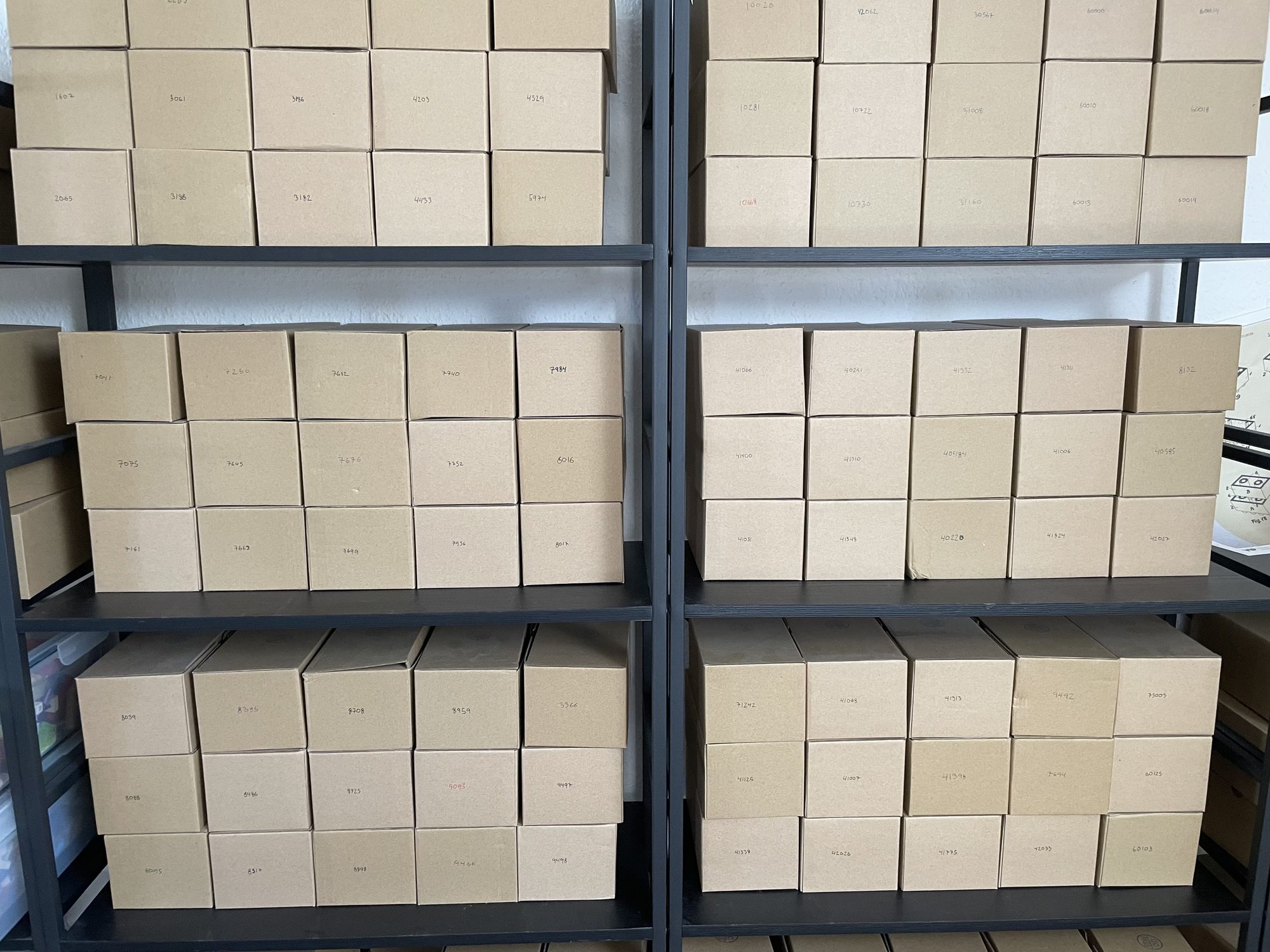
How I track my sets.
I use this keep track of my bricks and the sets I have bought in bulk, or mixed up over time.
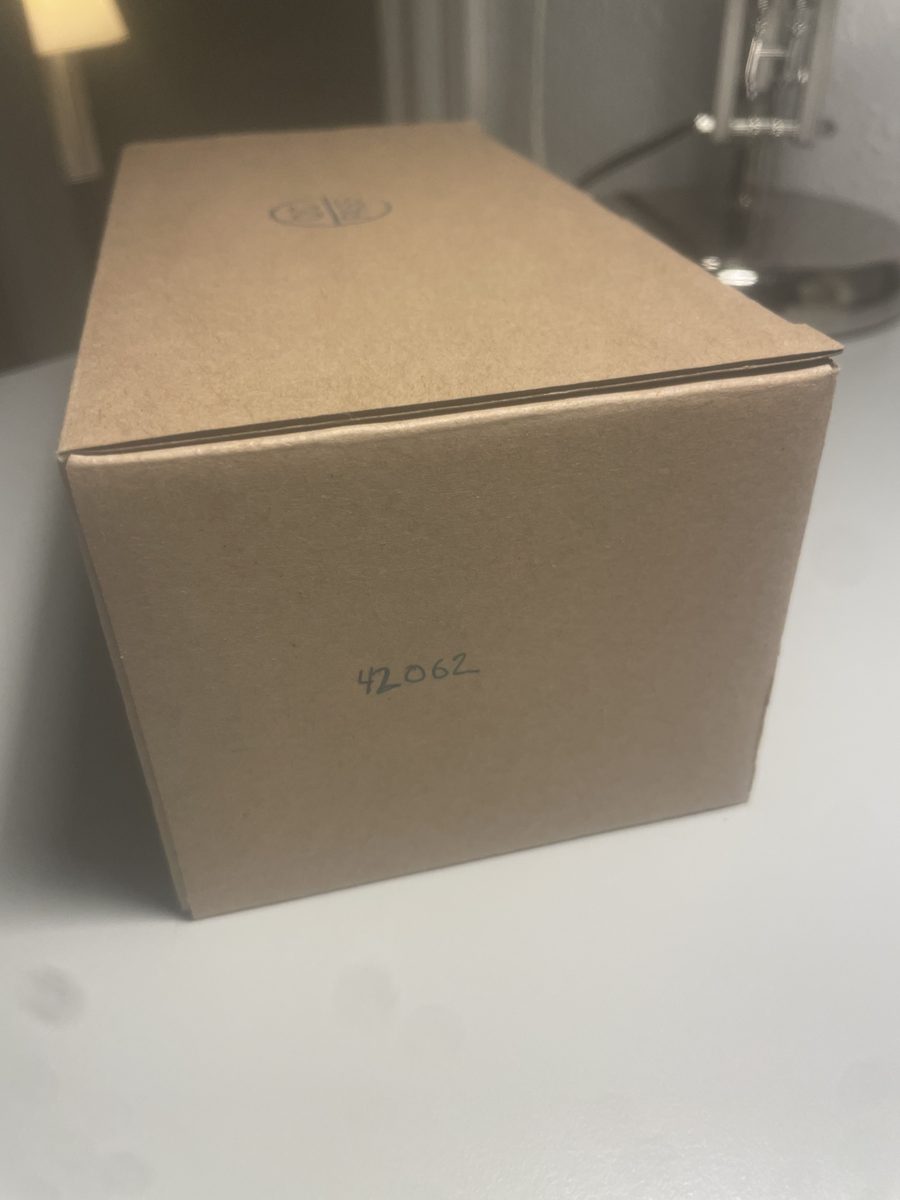
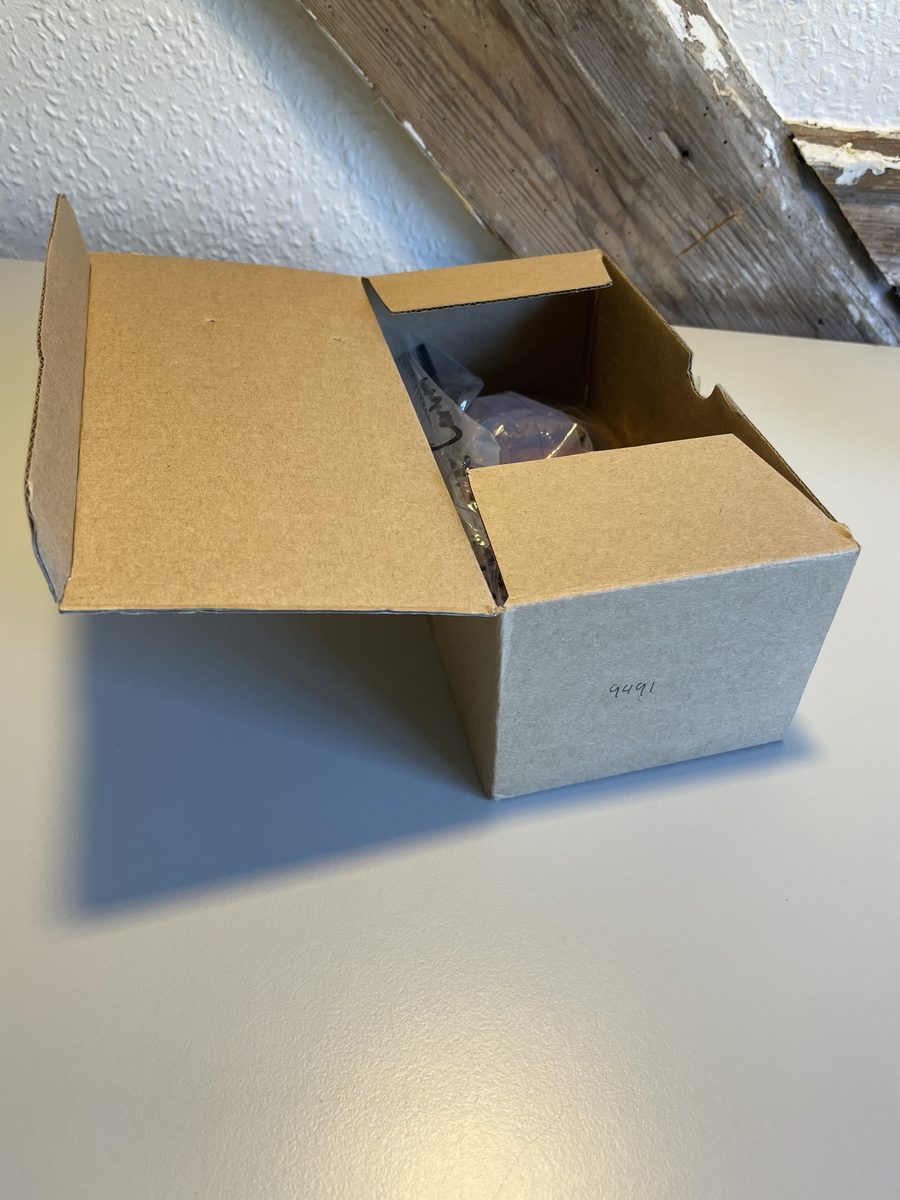
One box per set
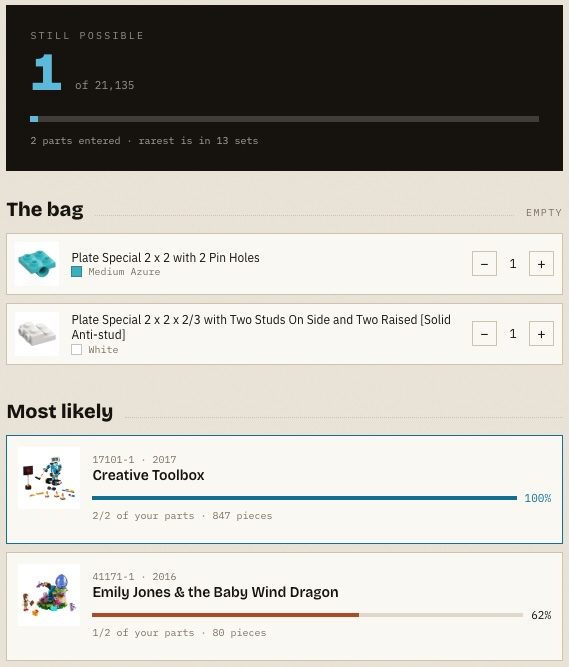
I start by finding a unique brick, a bag from a set or an already build part, and identify the set. I either use Google Lens (for parts) or my own 'Whats in the bag' system.
When I count the progress on Brickspender, I count by bricks collected of the whole set, including decorated bricks and bricks with stickers. Stickers and manuals does not count against a complete set.
There is room for improvement with label printing and my own sorting on the shelves.
While collecting the pieces
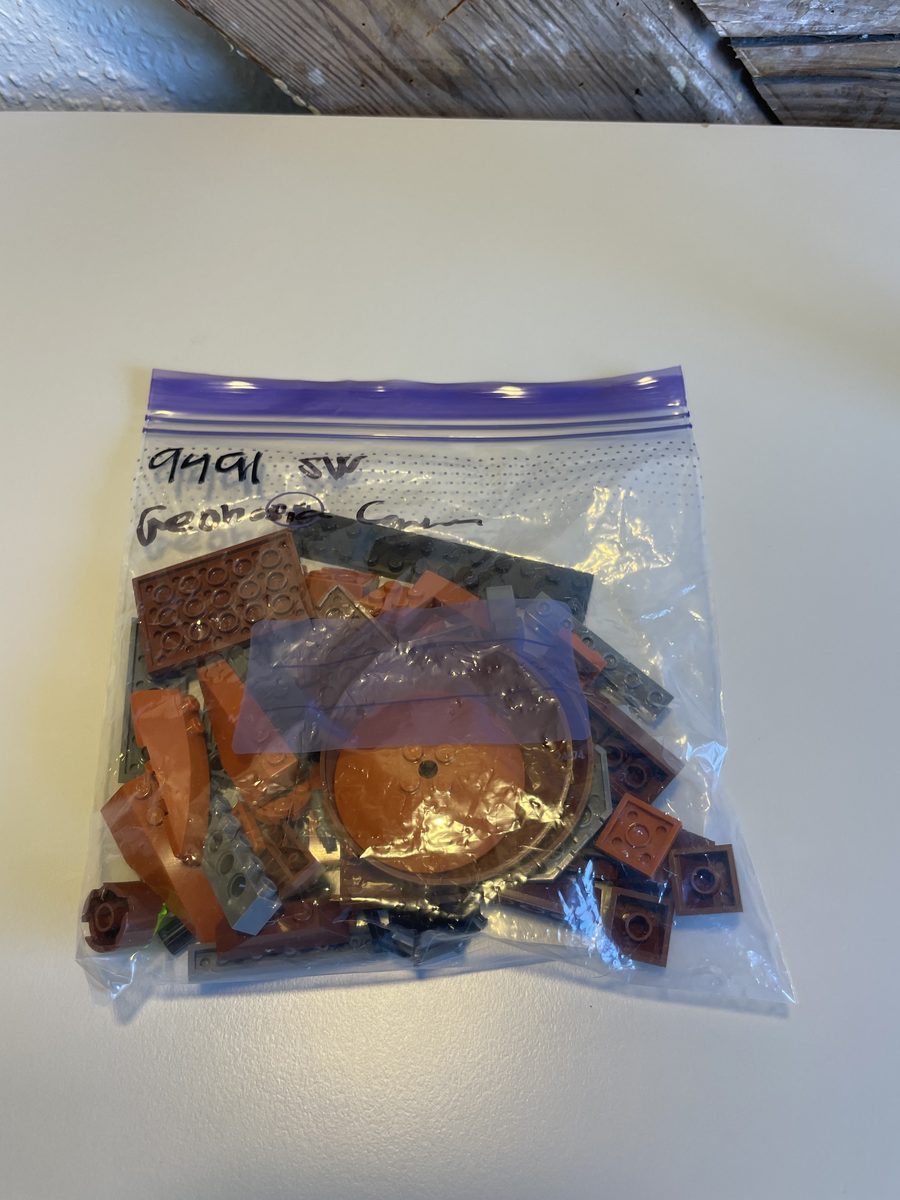
Most sets are put in zip-lock bags, on the picture is 9491 Geonosian Cannon - a
133-piece set. The remaining pieces are scattered around and will be collected once its that set's turn.
I keep them in bags like this to not lose bricks through the slides in the boxes.
Parts in plastic boxes
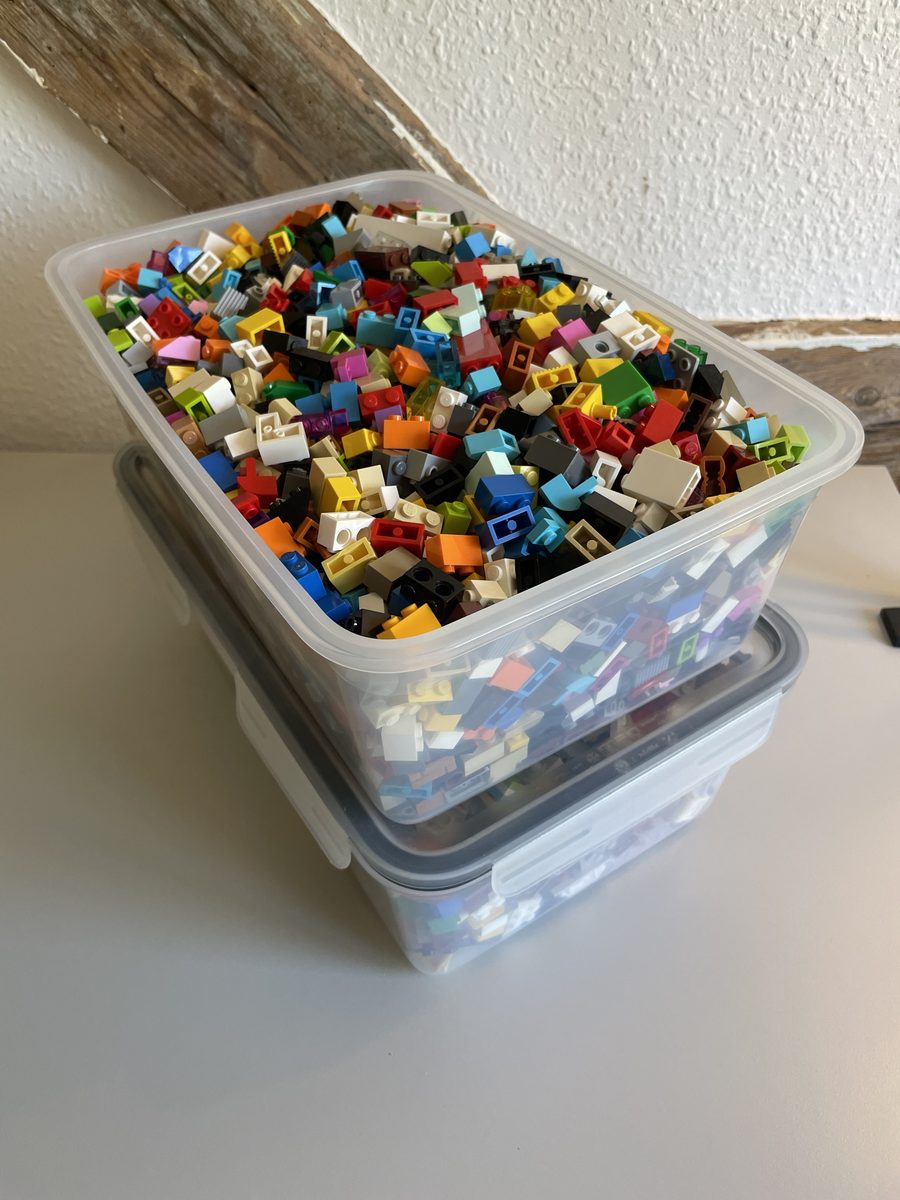
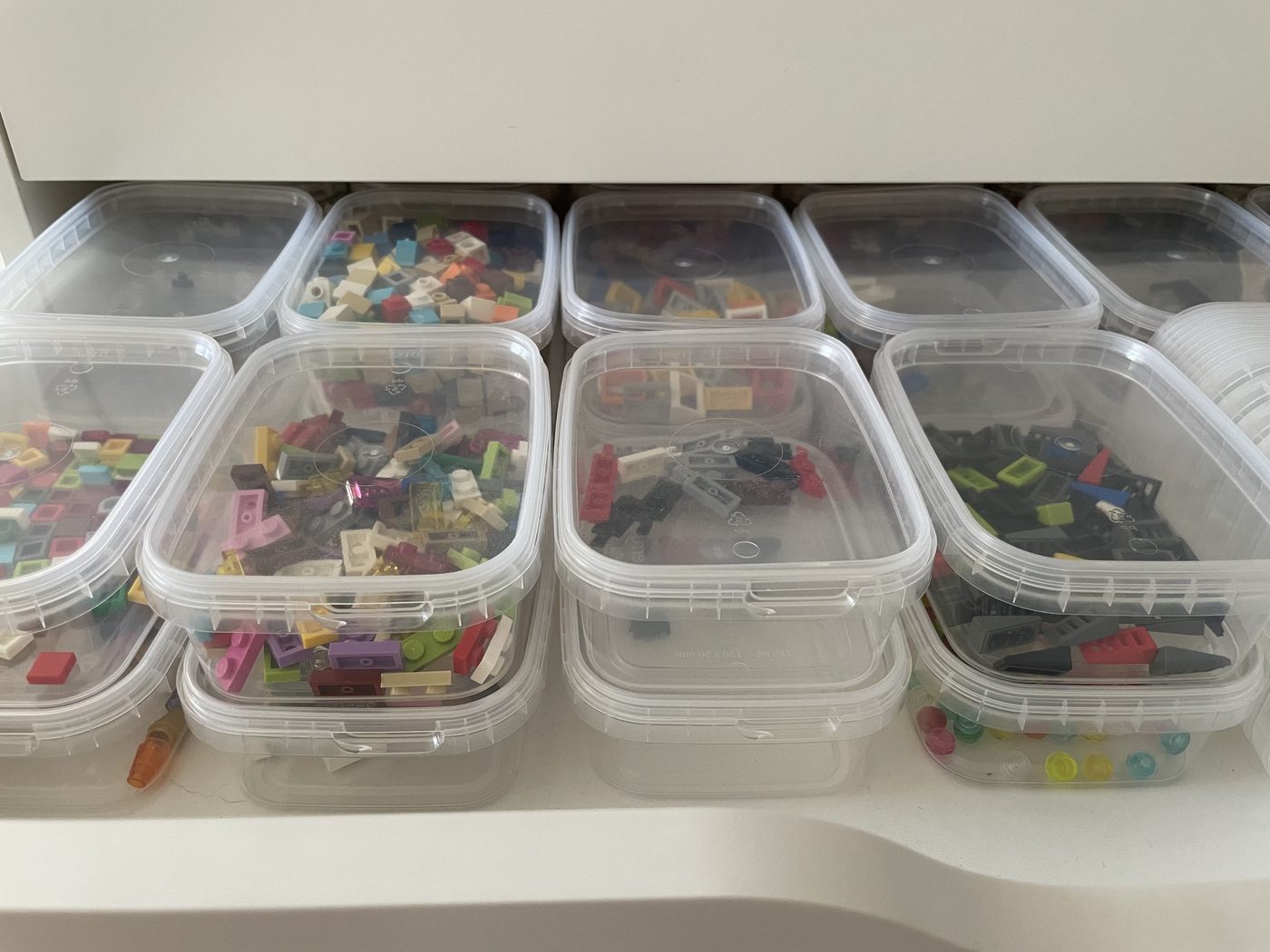
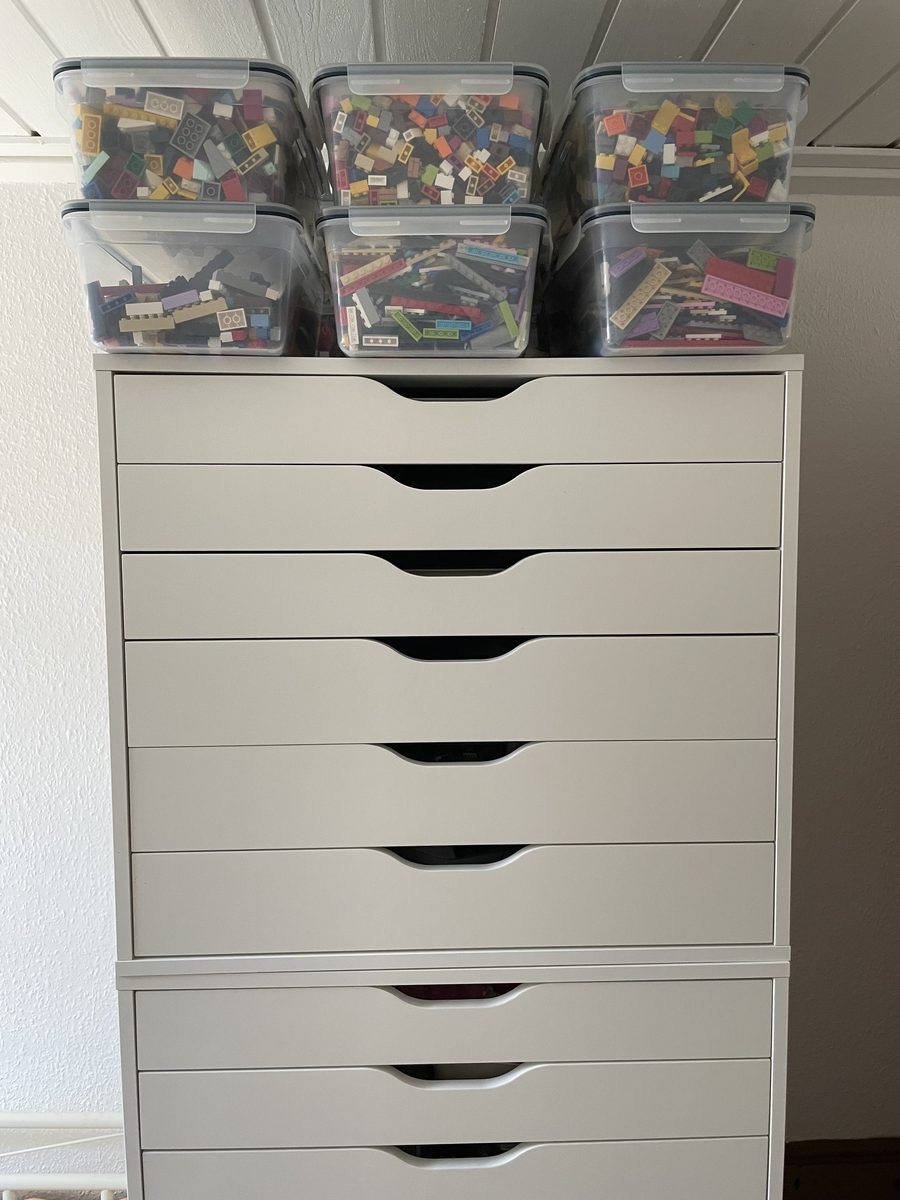
All bricks that has not yet been dedicated to a set, and added to that sets specific box, live in boxes like these. When they get filled, I either start sorting out more detailed, or adding them to zip-locks, and stash them away, until I miss a specific item.
Minifigures get their own bag
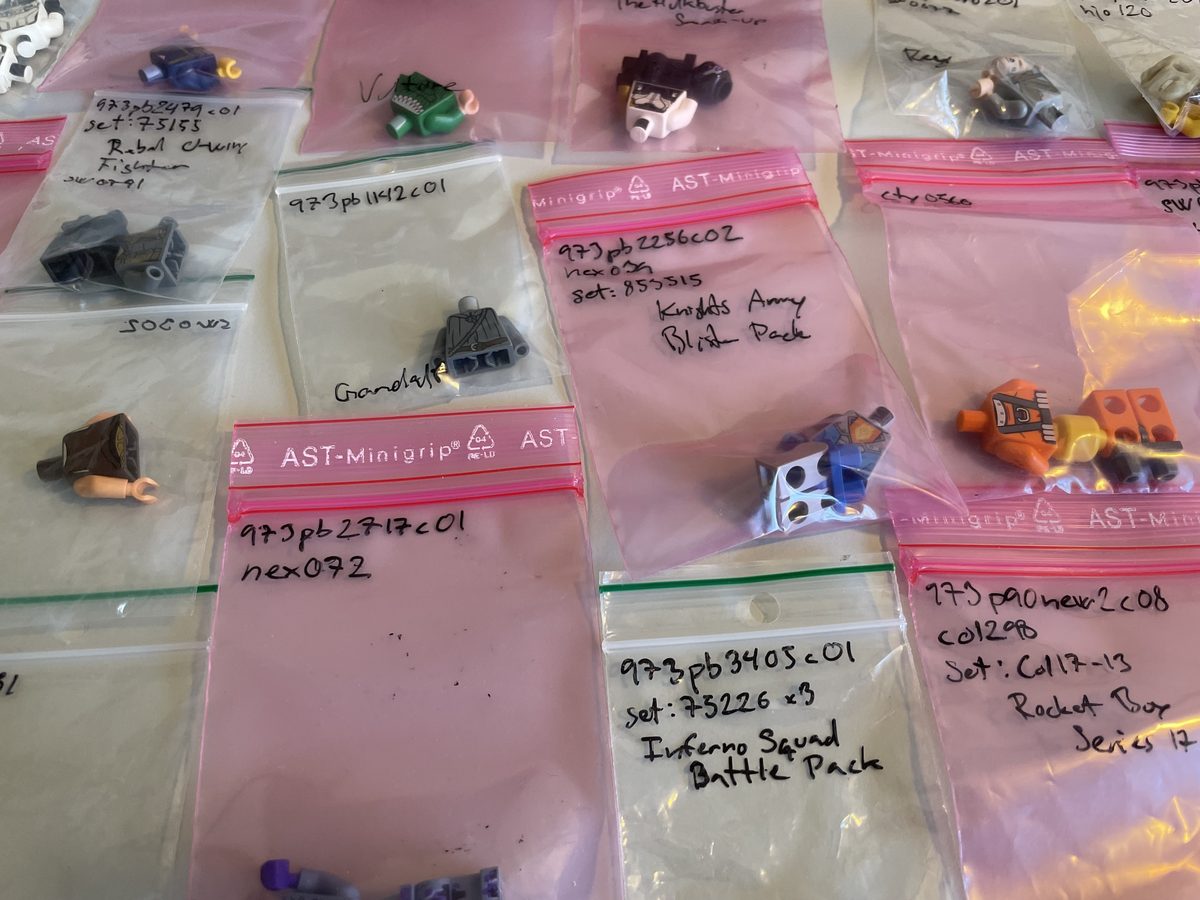
Minifigure parts are the ones that scratch. Each identified piece goes into its own small bag with the part number and the name written on it - torsos, headgear, capes - so a printed torso is not rubbing against a pile of bricks for a year while its set is assembled.
Identify a bag
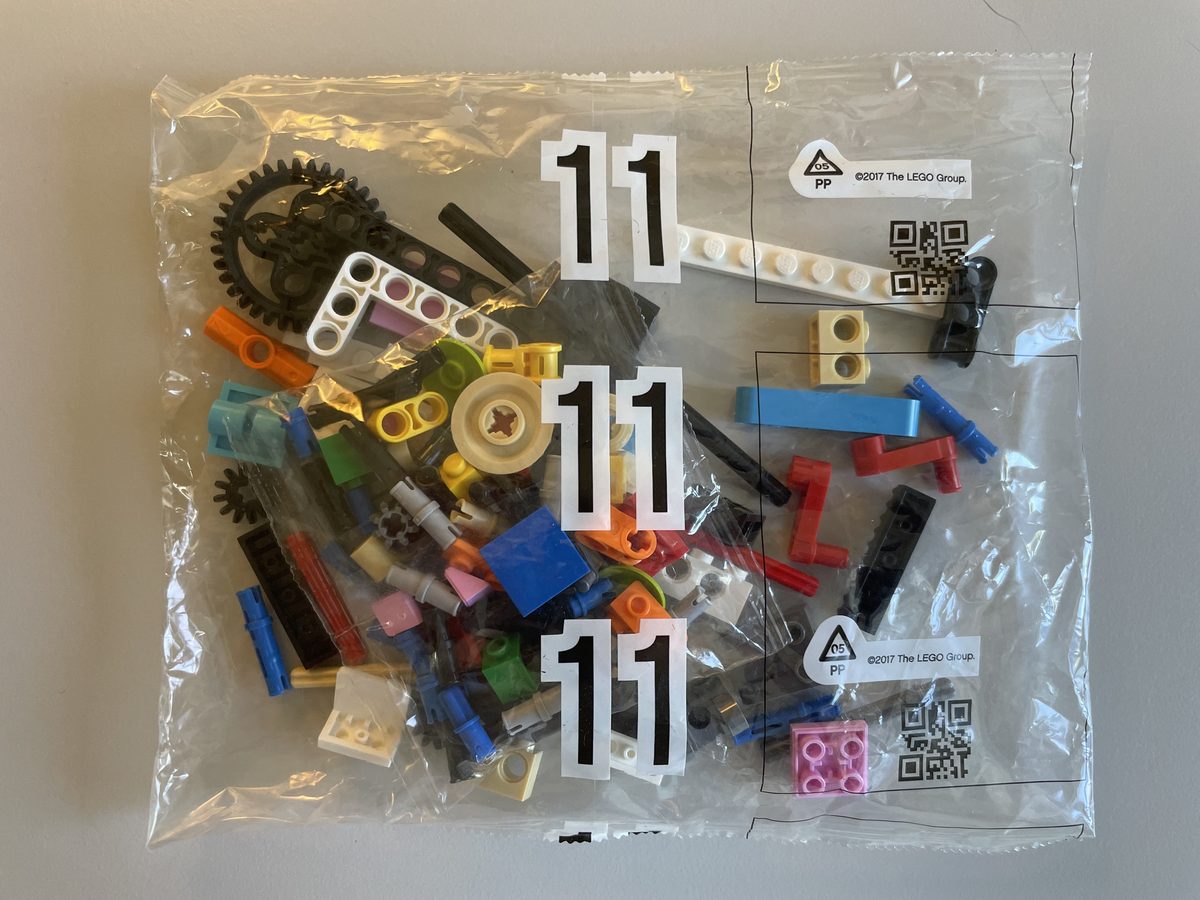
I often find a sealed factory bag with no set number on it, just a bag number, a copyright year, and a hundred pieces that could belong to anything. This one had been in a drawer for a while. The QR codes are internal 7 ciphers and often not useable to find a set. So I had to make my own.
In the example below, 2 parts typed in were enough. When I select a brick I dont just take the normal bricks. Try and take some of the special types or colors, that helps narrow down faster.
Where the data comes from
Set contents, part photos and colour names are mirrored from Rebrickable's bulk data. It is imported and rebuilt daily.
Some photos are added by me, mostly when they were not available from rebrickable, or I had the opportunity to take a better picture.
21236 sets 17233 minifigures 275 colours 1949–2027